


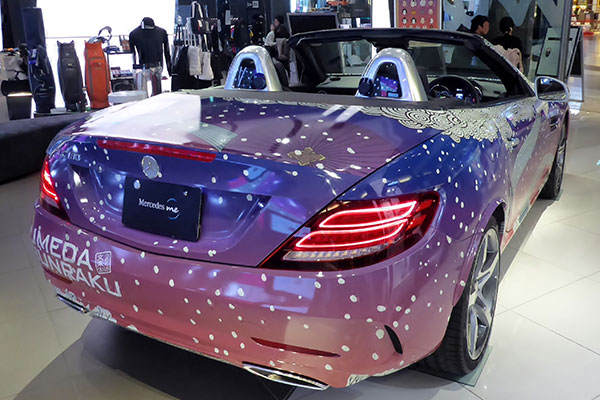
When it is time to refresh how your company vehicle looks, the choice usually comes down to a single question: vehicle wrap vs paint. Both can give a truck, van, or car a clean, professional appearance, but they are not equal when the goal is branding a Detroit business. One turns your vehicle into a rolling advertisement you can update whenever you want. The other is a permanent finish that looks great but does little marketing on its own. This guide breaks down the real differences in cost, durability, and branding power so you can make the smarter call for your business.
Vehicle Wrap vs Paint: The Short Answer for Business Owners
For most businesses, a vehicle wrap is the smarter choice because it works as advertising, while a paint job only changes the color. A wrap prints your full logo, colors, and contact details in one process, costs less upfront than a high-quality custom paint job, and can be removed or updated as your brand changes. A repaint wins in a narrower set of cases, mainly when you want a single permanent color with no graphics. The table below sums up how the two compare for a company vehicle.
| Factor | Vehicle Wrap | Repaint |
|---|---|---|
| Upfront cost | Lower for branded designs | Higher for detailed graphics |
| Typical lifespan | 5 to 7 years | Life of the vehicle |
| Branding & graphics | Unlimited, printed in one pass | Limited, costly by hand |
| Reversible | Yes, peels off cleanly | No, permanent |
| Protects factory paint | Yes | No |
| Best for | Marketing and fleets | Permanent single-color finish |
What a Wrap and a Repaint Actually Are
Vehicle wrap: a printed vinyl film applied over your vehicle’s existing panels. The design is printed first, then laminated and installed by hand, so a wrap can carry photos, gradients, and detailed artwork that paint cannot easily match. A repaint, by contrast, strips or sands the current finish and sprays on new automotive paint in a booth. It gives a smooth factory-style look but shows one color unless a painter adds graphics by hand, which raises the price quickly.
There is also a middle option many owners overlook. Partial wraps and vinyl graphics cover key panels such as doors, the hood, or the rear while leaving the rest of the factory paint visible. That keeps costs down while still putting your logo and phone number where customers will see them.
Cost: Upfront Price vs Long-Term Value
Cost is where the wrap vs paint decision gets interesting. For a plain single-color change, a basic paint job and a basic wrap can land in similar territory. The gap opens up the moment you add branding. Painting a multi-color logo, gradients, and lettering by hand is slow, skilled work, so the bill climbs fast. A wrap prints all of that in one run, which is why commercial vehicle wraps almost always cost less than an equally detailed custom paint job.
Long-term value matters too. A quality paint job can last the life of the vehicle, while a wrap typically runs five to seven years before it needs replacing. Spread the wrap’s cost across those years of daily brand exposure, though, and it often pays for itself in advertising value alone. For a fleet, that math repeats across every vehicle, which is why so many Detroit businesses treat wraps as a marketing line item rather than a body-shop expense.
Durability on Michigan’s Roads
Detroit weather is hard on any finish. Road salt through the winter, freeze-and-thaw swings, summer UV, and highway grit all take a toll. A well-installed wrap holds up well to these conditions and, because it sits on top of the factory paint, it takes the abuse instead of your original finish. When the wrap eventually wears, you replace the film rather than repainting the whole vehicle.
Paint is durable too, but repairs are less forgiving. A deep scratch or a salt-worn panel usually means blending new paint into old, which is tricky to match after a few Michigan winters. With car wraps in Detroit, a damaged section can often be re-wrapped on its own, keeping the vehicle looking consistent without a full repaint. Either way, storing the vehicle out of constant sun and washing off road salt regularly extends the life of the finish you choose.
Branding Power: Why a Wrap Works Harder Than Paint
This is the difference that decides it for most companies. A repaint makes your vehicle look nice. A wrap makes your vehicle sell. Every mile driven, every red light, and every hour parked at a job site turns a wrapped vehicle into a moving billboard that reaches people no online ad can target. Studies of vehicle advertising consistently put the cost per thousand impressions well below almost any other medium, and the reason wraps work so well as outdoor advertising is simple: your message goes wherever your business already goes.
Paint cannot do that. To turn a painted vehicle into an advertisement, you would still need to add lettering and graphics on top, which brings you back to vinyl anyway. A full wrap builds that marketing in from the start, with room for a bold logo, a clear phone number, and a website that people can read at a glance.
Flexibility: Updating, Removing, and Reselling
Businesses change, and a wrap changes with them. Rebranding, a new phone number, or a seasonal promotion is a quick re-wrap rather than a full repaint. When you sell or return a leased vehicle, a professional peels the wrap off, and the factory paint underneath is usually in better shape than exposed panels, which helps protect resale value. If you want an even lighter-touch option, removable magnetic signs let you add or drop branding by hand, though they cover far less of the vehicle than a wrap.
Paint offers none of this flexibility. Once it is on, changing it means another trip to the body shop and another full bill. For a business that expects to grow or refresh its look, that lack of reversibility is a real cost, even if it does not show up on the first invoice.

When Repainting Still Makes Sense
To be fair, paint is the right answer in some situations. If you simply want to restore a faded factory color with no graphics, a straightforward repaint can be clean and long-lasting. Vehicles with significant body damage, rust, or peeling clear coat also need paint or bodywork first, since a wrap needs a sound surface to bond to. And if a vehicle will stay in the family for decades with no branding role, a permanent finish may suit it better.
For a company vehicle whose job is to promote the business, though, those cases are the exception. The moment branding, graphics, or a fleet look enters the picture, a wrap usually delivers more for less.
Making the Call for Your Detroit Business
Start with the vehicle’s purpose. If it carries your brand out into the world, a wrap almost always wins on cost, marketing value, and flexibility. If it is a personal keeper with no business role and you want one permanent color, paint has its place. Then think about your timeline and budget: wraps install faster, often in a couple of days, and keep the vehicle off the road for less time than a quality repaint. Searching for vehicle wraps nearby and choosing an experienced local installer matters as much as the material, since a clean wrap depends on skilled hands. You can also review a vehicle wrap portfolio to see the finish quality before you commit.
Put Your Fleet to Work
The vehicle wrap vs paint question really comes down to what you want the vehicle to do. If it should look good and market your business every day, a wrap is the smarter branding investment for almost any Detroit company. Contact Detroit Signs & Graphics for a free quote, and we will help you choose the right option for your vehicle, your budget, and your brand.
Frequently Asked Questions
- Is a vehicle wrap or paint better for a business vehicle?: For most businesses, a vehicle wrap is better because it doubles as mobile advertising and costs less upfront than a quality custom paint job. A wrap turns every trip into brand exposure, protects the factory paint underneath, and can be updated when your branding changes. Paint makes more sense mainly when you want a permanent single-color finish with no graphics.
- How long does a vehicle wrap last compared to paint?: A professionally installed commercial vehicle wrap typically lasts five to seven years, while a quality paint job can last the life of the vehicle. In Michigan, road salt, winter temperature swings, and UV exposure shorten the lifespan of both, though a wrap can be replaced far more easily and cheaply than a full repaint.
- Is it cheaper to wrap or repaint a company vehicle?: Wrapping is usually cheaper upfront than a high-quality repaint, especially for vehicles with logos, graphics, or multiple colors. Painting that kind of detailed design by hand is labor-intensive, while a wrap prints it in one process. Over many years, the costs can even out, but for branded vehicles, a wrap almost always wins on value.
- Will a vehicle wrap damage my truck’s original paint?: No. A quality vehicle wrap protects the original paint from UV rays, minor scratches, and road debris rather than harming it. When a professional removes the wrap, the factory paint underneath is usually in better condition than exposed panels, which helps protect resale value.
- Can I wrap just part of my vehicle instead of the whole thing?: Yes. Partial wraps and vinyl graphics cover key panels such as the doors, hood, or rear while leaving the rest of the factory paint visible. This is a budget-friendly way to add professional branding, and it works well for businesses that want a clear logo and contact details without the cost of a full wrap.